
The practice of roasting coffee has a history that stretches back, to eras progressing over many years with new ideas and cultural impacts. Starting in the Middle East and continuing to this day in the coffee roasting sector this piece delves into the evolution of coffee roasting methods and important developments revealing how this cherished drink has ingrained itself as a part of societies globally.
1. Ancient Origins:
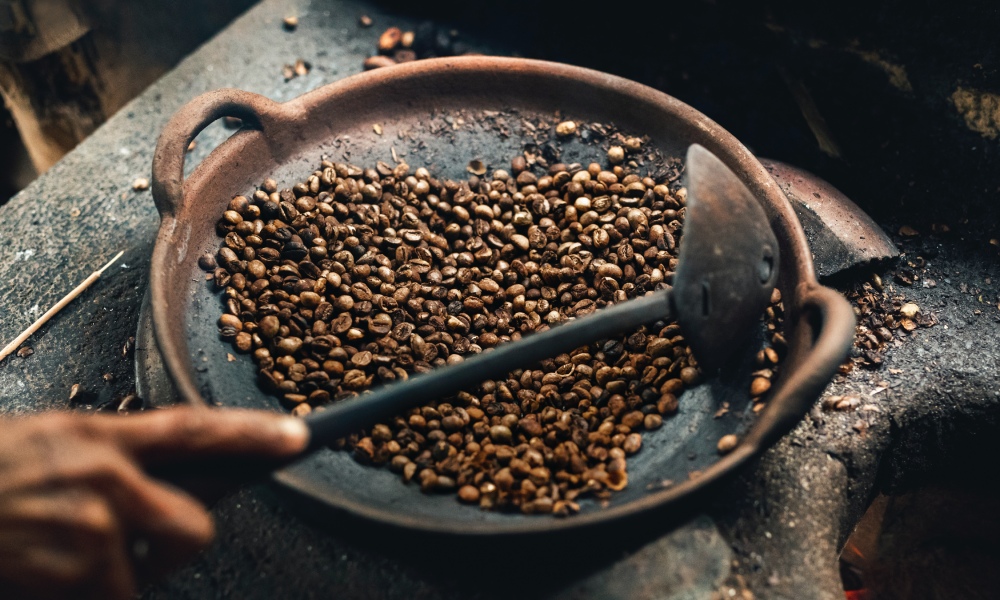
The history of coffee roasting dates back, to the century in the Ottoman Empire and Greater Persia, where coffee beans were roasted in metal or porcelain pans over open fires. This basic technique allowed for roasting on a scale paving the way for more sophisticated methods to emerge. Then coffee wasn’t a drink but a significant part of social and cultural life often enjoyed in coffeehouses that served as centers for intellectual and social interactions.
As detailed in Mark Pendergrasts book “Uncommon Grounds; The History of Coffee and How It Transformed Our World ” early coffee roasting processes were uncomplicated yet required a lot of effort. Roasting involved placing coffee beans, on metal plates or thin pans over a flame with stirring needed to avoid burning and achieve an even roast. While this approach was simple it laid the groundwork for advancements in the art of coffee roasting.
2. Advances in the 19th Century:
During the 1800s there were advancements, in coffee roasting techniques. Innovators in both the United States and Europe obtained patents for roasters allowing for the mass production of coffee to keep up with increasing demand. These early commercial roasters used gas, coal or wood as fuel sources. Utilized rotating drums to ensure that heat was evenly distributed. This period also marked the emergence of the coffee trade as an industry, where coffee beans were transported across oceans resulting in a need, for effective and scalable roasting methods.
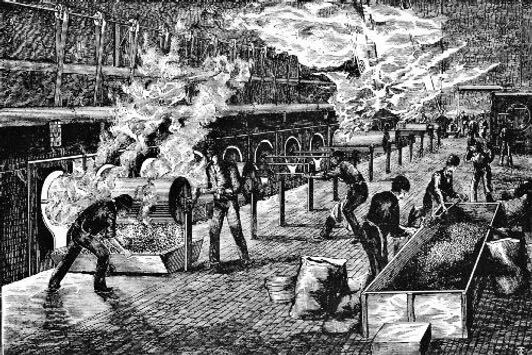
Scott Raos book “The Coffee Roaster’s Companion” discusses the evolution of the roasters, which employed perforated metal drums that were rotated manually or by a motor to ensure even roasting of the beans. A notable early model the Jabez Burns’ Roaster”, from 1864 featured a self emptying drum mechanism that revolutionized the process by enabling roasting cycles and enhancing overall efficiency.
3. Industrialization and Globalization:
The industrial revolution ushered in an era of mechanization and automation, in the coffee roasting process. By the 19th and early 20th centuries industrial roasting machines and grinding equipment became widely used leading to production efficiency and uniformity. Moreover the introduction of vacuum sealed containers for ground coffee and early decaffeination techniques played a role in advancing the industry. These innovations not prolonged the freshness of coffee. Also expanded its popularity on a global scale.
As outlined in “Coffee; A Comprehensive Guide to the Bean, the Beverage and the Industry” edited by Robert W. Thurston, Jonathan Morris and Shawn Steiman the industrialization of coffee roasting brought about enhancements in consistency and scalability. The implementation of automated roasting machines enabled regulation of roasting temperatures and durations resulting in an uniform end product. Furthermore with the advent of vacuum packaging technology the shelf life of coffee was extended, facilitating its distribution, across borders.
4. Post-War Innovations:
After World War II advancements, in coffee roasting techniques saw a revival of creativity. The arrival of roasters during the 1950s enabled temperature regulation leading to a more uniform end product. Additionally the refinement of coffee manufacturing provided customers with a substitute, for the customary brewed coffee. This era also witnessed the emergence of coffee brands and promotional efforts turning coffee into a part of everyday life and a representation of contemporary living.
IIn the book “Coffee; From Bean, to Barista” by Robert W. Thurston the author delves into the impact of war innovations. The introduction of roasters revolutionized the roasting process by offering precision in temperature and timing control. This breakthrough not resulted in uniform roasts but also enabled coffee enthusiasts to experiment with various roasting techniques and flavors. Moreover the emergence of coffee perfected by companies such as Nestlé provided a convenient option, to traditional brewing methods further fueling the popularity of coffee consumption.
5. Specialty Coffee Movement:
The rise of specialty coffee, in the part of the century sparked a new wave of interest in artisanal roasting techniques. Small scale roasters began focusing on origin” coffees sourced from specific regions leading to a surge in home roasting as a passionate hobby. Enthusiasts dabbled in beans and roast styles to craft one of a kind flavor experiences all while championing quality, traceability and sustainability within the specialty coffee sector.
In her book “God in a Cup; The Obsessive Quest for the Perfect Coffee ” Michaele Weissman explores the essence of the specialty coffee movement. This movement prioritized quality over quantity with roasters selecting beans from regions renowned for their flavors. By highlighting single origin coffees consumers were able to savor the traits of beans originating from corners of the globe. Moreover this movement underscored the significance of sourcing and sustainability practices advocating for trade and eco conscious production methods.
The era also witnessed a surge, in home roasting enthusiasts to delve into the artistry behind roasting coffee. Improved home roasting equipment empowered individuals to experiment with roast profiles and craft personalized blends tailored to their preferences.
Engaging in this method enhanced ones understanding of the craftsmanship and expertise involved in roasting coffee leading to the formation of a knit group of coffee enthusiasts committed to the art.
6. Technological Advancements Today:
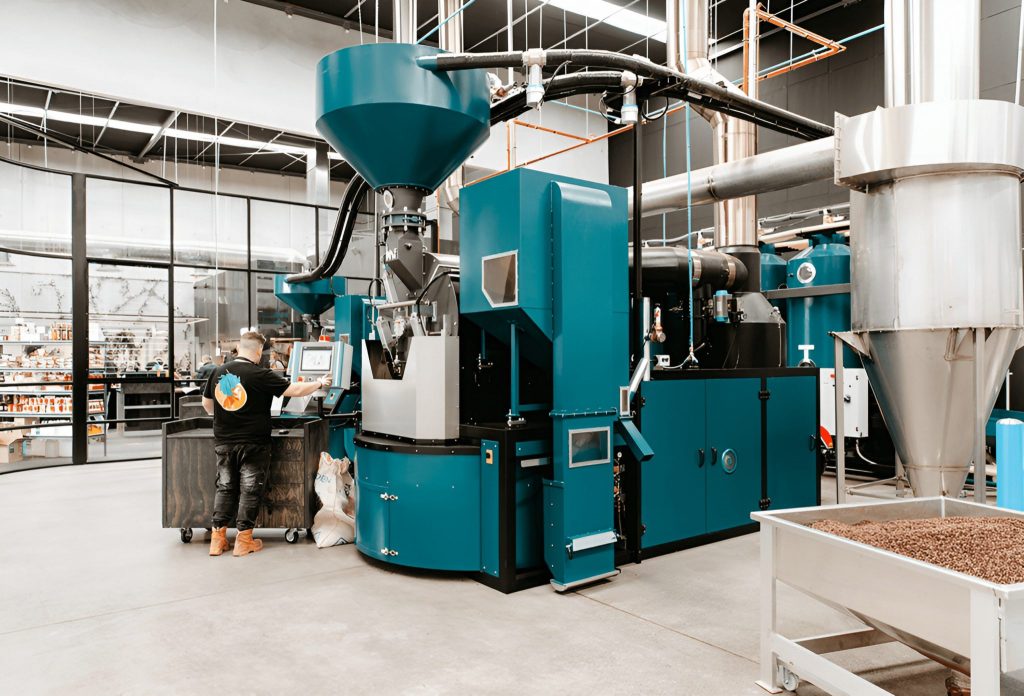
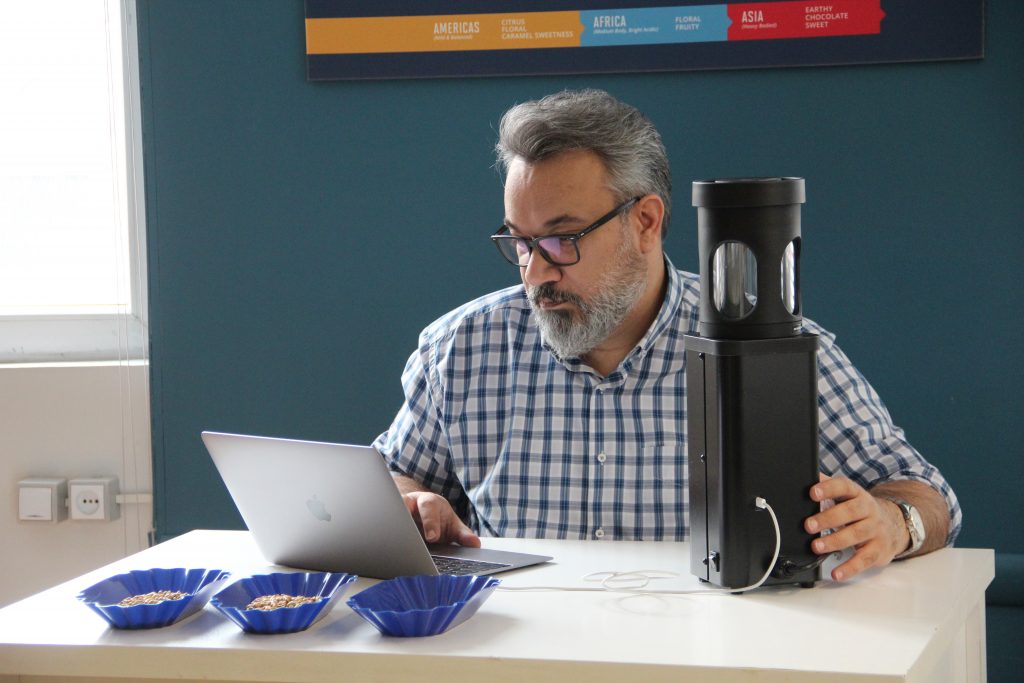
Today the coffee roasting technology is constantly evolving, driven by the quest, for precision and sustainability. Modern roasters now come with computer controls that allow for real time monitoring and adjustments to ensure the roasting conditions. Additionally the industry is exploring methods like infrared roasting to cut down on energy usage and lessen environmental impact. These innovations are empowering roasters to tune their processes. Bring out the unique characteristics of each coffee bean.
In James Hoffmanns “The World Atlas of Coffee ” the latest advancements in coffee roasting technology are explored. Modern roasters are equipped with sensors and software that oversee every detail of the roasting process, from temperature and airflow to bean color and aroma. This data driven approach enables control over the roasting parameters resulting in an top quality end product. Moreover the industry is delving into methods such as fluid bed roasting and infrared roasting to enhance sustainability efforts and reduce energy consumption.
Sustainability has become a focus, in the coffee roasting sector well. Roasters are increasingly embracing energy technologies while looking into methods of roasting to shrink their environmental impact.
Infrared roasting for instance involves using radiation to heat the beans, which helps cut down on the use of conventional fuel sources and decreases energy usage. Additional eco friendly methods comprise utilizing energy repurposing coffee byproducts and adopting packaging solutions.
The history of coffee roasting technology reflects the ever-evolving relationship between culture and innovation. From its ancient origins to the cutting-edge advancements of today, coffee roasting continues to shape our understanding and appreciation of the beloved beverage. As technology progresses, so too will our ability to enhance the flavors, experiences, and sustainability of coffee for generations to come. The journey of coffee roasting is far from over, and the future holds exciting possibilities for further advancements and discoveries in this rich and dynamic field.
References:
1. Pendergrast, M. (2010). Uncommon Grounds: The History of Coffee and How It Transformed Our World. Basic Books.
2. Rao, S. (2014). The Coffee Roaster’s Companion. Scott Rao.
3. Thurston, R. W., Morris, J., & Steiman, S. (Eds.). (2013). Coffee: A Comprehensive Guide to the Bean, the Beverage, and the Industry. Rowman & Littlefield.
4. Weissman, M. (2008). God in a Cup: The Obsessive Quest for the Perfect Coffee. Wiley.
5. Hoffmann, J. (2018). The World Atlas of Coffee. Mitchell Beazley.